


Want to breathe new life into your articles and reach more people? Turning your written content into engaging videos can boost your visibility and keep your audience hooked.
But you might be wondering, “How do I start? What tools can make this easy and effective?” That’s where Invideo comes in. This powerful movie maker uses AI to help you transform your articles into stunning videos quickly and without any technical hassle. Ready to see how simple it can be? Check out Invideo here and start creating videos that captivate your audience: Invideo. Keep reading, and you’ll discover step-by-step how to turn your articles into videos that grab attention and drive results.

Credit: www.youtube.com
Introduction To Turning Articles Into Videos
Turning articles into videos is a smart way to share information visually. Videos grab attention faster and keep viewers interested longer. This method helps reach more people who prefer watching over reading.
Creating videos from text can seem hard. But with the right tools, it becomes simple and fun. Using software like Invideo can speed up the process and add professional effects easily.
Why Convert Articles Into Videos?
- Engage a wider audience. Videos attract users who skip reading long texts.
- Boost SEO. Videos increase website visibility and time spent on pages.
- Improve content retention. People remember visual content better than plain text.
- Share on multiple platforms. Videos fit social media, blogs, and email campaigns.
- Save time for viewers. Videos deliver key points quickly and clearly.
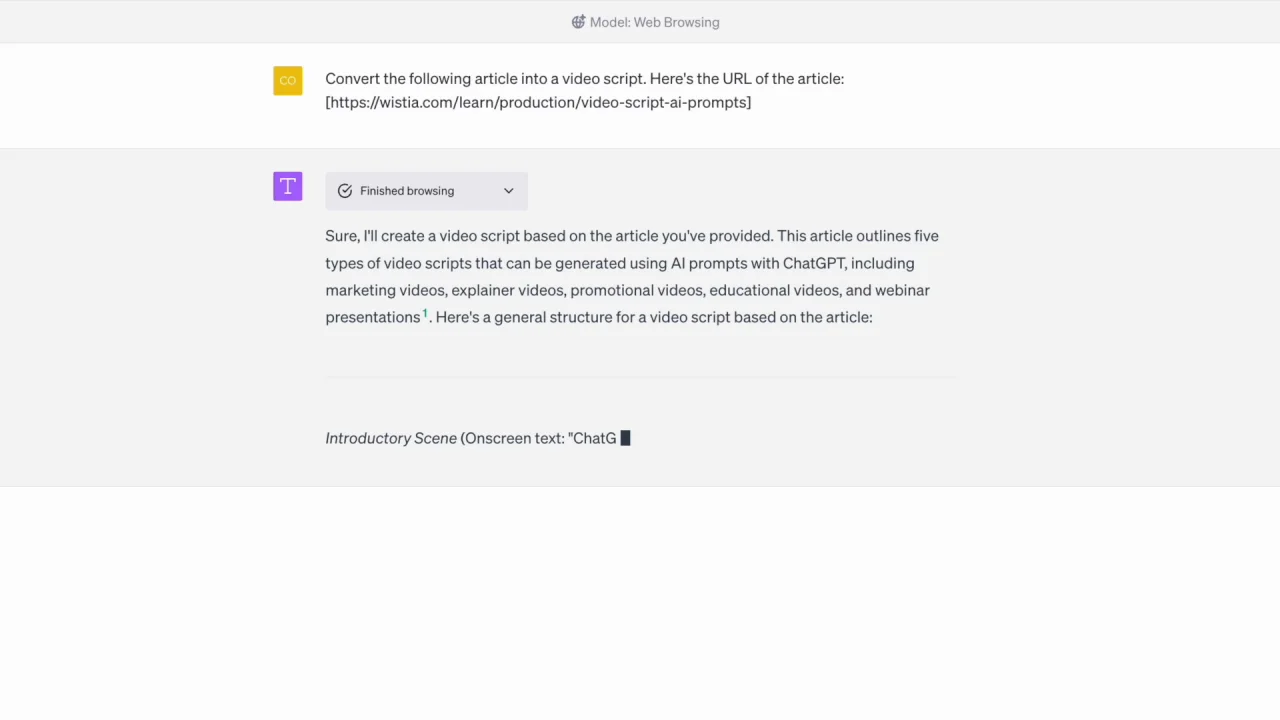
Overview Of The Video Creation Process
- Select the article. Choose content with clear, useful information.
- Extract key points. Highlight the main ideas to focus on.
- Create a script. Rewrite key points in short, conversational sentences.
- Use video tools. Platforms like Invideo help turn scripts into videos fast.
- Add visuals. Include images, clips, and text animations to support the message.
- Record or add voiceover. Use clear narration to explain the content.
- Edit and finalize. Check timing, transitions, and audio quality.
- Publish and share. Upload videos on your website and social channels.
Credit: wistia.com
Key Features Of Effective Article-to-video Conversion Tools
Converting articles into videos needs tools with smart features. These features make video creation easy and fast. They also help keep the video interesting and clear.
Good article-to-video tools focus on automation, visual appeal, and flexibility. These features help users create videos even without deep video editing skills.
Automated Text-to-speech And Voiceovers
Text-to-speech (TTS) technology reads your article aloud in natural voices. This saves time and effort on recording audio.
- Multiple voice options: Choose from different voices and accents.
- Natural sound: Voices sound clear and human-like.
- Speed control: Adjust how fast the voice speaks.
- Easy editing: Fix pronunciation or add pauses.
Automated voiceovers help deliver your message clearly without extra work.
Visual Content Integration And Customization
Good tools let you add images, videos, and animations to match your article.
- Drag-and-drop interface: Simple to add or move visuals.
- Custom text styles: Change font, size, and color.
- Background options: Use colors or videos behind text.
- Image libraries: Access free stock photos and videos.
Custom visuals keep viewers engaged and support your story.
Templates And Themes For Quick Video Creation
Templates provide ready-made video structures to speed up creation.
| Feature | Benefit |
|---|---|
| Pre-designed layouts | Save time by using professional designs |
| Themes and styles | Match video look with your article’s tone |
| Easy customization | Adjust colors, fonts, and images quickly |
| Consistent branding | Keep your videos uniform and recognizable |
Templates help create quality videos even without design skills.
Multi-platform Compatibility And Export Options
Videos must work well on various devices and platforms.
- Multiple formats: Export as MP4, MOV, or GIF.
- Resolution choices: Select HD or standard quality.
- Social media ready: Formats suited for Facebook, Instagram, YouTube.
- Direct sharing: Upload videos directly to platforms.
These options ensure your videos reach your audience easily.
Step-by-step Guide To Creating Videos From Articles
Turning articles into videos is a smart way to reach more people. Videos catch attention quickly and are easy to share. This guide breaks down the process into simple steps to help you create engaging videos from any article. Follow these steps to transform text content into captivating visual stories.
Selecting The Right Article And Defining Objectives
Choose an article that fits your video goals. Pick topics that interest your audience and have clear, useful information.
- Check article length: Shorter articles work better for videos under 5 minutes.
- Evaluate topic relevance: Select articles with timely or evergreen content.
- Set clear objectives: Decide if the video will inform, teach, or entertain.
- Know your audience: Tailor the video style and tone to their preferences.
Extracting Key Points And Script Preparation
Focus on main ideas and important facts from the article. These will form your video script.
- Highlight key sentences: Extract 3–5 main points that tell the story.
- Simplify language: Use short, clear sentences for easy understanding.
- Write a script: Arrange points logically with a natural flow.
- Add calls to action: Encourage viewers to comment, share, or visit your site.
Keep the script under 300 words for a quick, engaging video.
Choosing Visual Elements And Enhancing Engagement
Visuals make your video exciting and help explain ideas faster.
- Use relevant images: Select photos or graphics that match the script.
- Include video clips: Short clips add motion and interest.
- Add text overlays: Highlight key points on screen for clarity.
- Use animations: Simple animations can explain complex ideas easily.
- Choose background music: Pick soft tracks that support the mood without distraction.
Tools like Invideo help find and add these elements quickly and easily.
Editing And Finalizing The Video
Edit the video to make it smooth and professional.
- Trim unnecessary parts: Keep the video focused and short.
- Adjust timing: Match visuals and script for better flow.
- Add transitions: Use simple fades or cuts between scenes.
- Include branding: Add logos or watermarks to build recognition.
- Review and test: Watch the full video to spot errors and fix them.
Export the video in high quality, ready to share on social media or websites.
Credit: reccloud.com
Pricing And Affordability Of Popular Article-to-video Tools
Turning articles into videos is easier with the right tool. Pricing plays a big role in choosing the best one. Different tools offer various plans and features. Understanding costs helps pick a tool that fits your budget and needs.
Comparing Free Vs. Paid Features
Many article-to-video tools provide free versions. These often include basic features like:
- Limited video length
- Watermarks on videos
- Restricted templates and styles
Paid versions remove these limits and add benefits such as:
- Longer or unlimited video duration
- No watermarks for professional look
- More templates, animations, and effects
- Higher export quality
- Access to premium stock images and audio
Free plans suit beginners or small projects. Paid plans suit professionals or frequent users.
Subscription Models And One-time Purchases
Most article-to-video tools use subscription pricing. Common options include:
- Monthly plans: Pay each month, cancel anytime
- Annual plans: Pay once yearly, save money
Subscription plans often offer tiered pricing based on:
- Video length limits
- Number of exports allowed
- Access to premium content
Some tools offer one-time purchase licenses but are less common. Subscriptions keep software updated and add features regularly.
Cost-benefit Analysis For Different User Needs
| User Type | Needs | Recommended Plan | Benefits | Cost Considerations |
|---|---|---|---|---|
| Casual Users | Short videos, limited projects | Free or Basic Plan | Free access, easy to try | Limited features, watermarks |
| Small Businesses | Regular video content, branding | Monthly Subscription | No watermarks, more templates | Recurring cost, better ROI |
| Content Creators | High volume, professional videos | Annual or Premium Plan | Unlimited exports, premium assets | Higher upfront cost, saves over time |
Choosing the right plan depends on how often you create videos. Consider your budget and feature needs.
InVideo offers flexible plans suitable for all user types. Check their pricing page for details.
Pros And Cons Of Using Article-to-video Conversion
Turning articles into videos can bring fresh energy to content marketing. It helps reach wider audiences and boosts interaction. Yet, this process has both strengths and weaknesses. Understanding these helps decide when and how to use article-to-video tools like Invideo effectively.
Advantages: Increased Engagement And Reach
Videos grab attention better than plain text. They combine visuals, sound, and motion, making content easier to consume. This leads to higher engagement rates across social media and websites.
- Broader audience: Videos appeal to people who prefer watching over reading.
- Improved retention: Viewers remember video content longer than text.
- SEO benefits: Videos can boost search rankings by increasing time spent on pages.
Using Invideo, users can quickly transform articles into attractive videos. The tool offers templates and AI features that simplify video creation.
Challenges: Time Investment And Learning Curve
Creating quality videos from articles takes time and effort. It requires learning new software and video editing basics.
- Initial setup: Learning Invideo’s interface may take hours for beginners.
- Editing process: Selecting visuals, adjusting timing, and adding voiceovers require patience.
- Trial and error: Users often experiment to find the right style and pacing.
The time spent might be longer than simply publishing an article. Consistent practice helps reduce this over time.
Quality Considerations And Customization Limits
Automated article-to-video tools have some limits. They may not capture the full tone or nuance of original writing.
| Aspect | Possible Limitations | Impact |
|---|---|---|
| Visual Matching | Generic stock images or videos | May not perfectly fit article context |
| Voiceover Quality | AI voices may sound robotic | Less emotional connection with viewers |
| Customization | Template restrictions | Limits unique branding and style |
Invideo allows some customization but cannot replace full manual video editing. Users should balance speed with quality to get the best results.
Recommendations For Ideal Users And Use Cases
Turning articles into videos suits many users and purposes. Videos grab attention quickly and keep viewers engaged. The process works best for those who want to reach a wider audience. It also helps explain ideas more clearly using visuals. Below are key user types who benefit most from this approach.
Content Creators And Bloggers Seeking More Engagement
Content creators and bloggers gain more views by adding videos to their posts. Videos make articles easier to share on social media. They increase time spent on pages and lower bounce rates. Using a tool like Invideo, creators can convert text into eye-catching videos fast.
- Turn blog posts into short, engaging clips
- Enhance storytelling with images and animations
- Reach audiences who prefer watching over reading
- Boost social media presence with video content
Businesses Enhancing Marketing And Training Materials
Businesses use videos to improve marketing and training results. Videos explain products clearly and attract customer attention. Training videos help employees learn faster with visual aids. Invideo helps create professional videos without needing complex software.
| Use Case | Benefits |
|---|---|
| Marketing | Clear product demos, higher engagement, wider reach |
| Training | Faster learning, consistent message, easy updates |
Educators And Trainers Aiming For Visual Learning
Educators improve lessons by adding video content. Visual learning helps students understand and remember better. Videos can break down complex ideas into simple steps. Using Invideo, teachers create videos from text quickly and easily.
- Convert lecture notes into engaging videos
- Use visuals to explain difficult concepts
- Provide students with accessible learning materials
- Support different learning styles through video
Conclusion: Maximizing Engagement Through Video Content
Turning articles into videos boosts audience interaction and content reach. Videos catch attention faster and hold interest longer. Using video content helps share messages clearly and memorably. It fits well with how people prefer to consume information today.
Summary Of Key Benefits
- Improves audience retention: Videos keep viewers engaged longer than text alone.
- Enhances message clarity: Visual and audio elements make ideas easier to understand.
- Increases shareability: People share videos more often on social media platforms.
- Supports diverse learning styles: Combines reading, listening, and watching for better comprehension.
- Boosts SEO performance: Videos help improve search rankings and website traffic.
Encouragement To Experiment And Adapt
Try different video styles to see what fits your audience best. Use tools like Invideo to create videos easily and quickly. Adjust video length, format, and visuals based on feedback and performance.
Test captions, background music, and voiceovers for better engagement. Monitor analytics to understand which videos work well. Keep refining your approach for stronger connection with viewers.
Videos offer flexible ways to present your articles. Embrace changes and explore new ideas regularly. This keeps your content fresh and your audience interested.
Frequently Asked Questions
How Can I Convert Articles Into Engaging Videos?
Use tools like video editors or AI video generators. Extract key points, add visuals, and narrate for engagement. This makes content dynamic and shareable.
What Tools Work Best For Article-to-video Conversion?
Popular tools include Lumen5, InVideo, and Animoto. These platforms simplify video creation by automating text-to-video processes with customizable templates.
How Long Should A Video From An Article Be?
Keep videos between 1 to 3 minutes for better viewer retention. Short videos highlight main ideas without overwhelming the audience.
Can I Use Voiceovers When Turning Articles Into Videos?
Yes, adding voiceovers improves accessibility and engagement. Use clear, natural narration to complement on-screen text and visuals.
Conclusion
Turning articles into videos can boost your content’s reach and impact. Videos grab attention faster and keep viewers engaged longer. Simple tools like Invideo help create videos without heavy skills. You can add text, images, and voiceovers easily. Try making short clips from your articles for social media or blogs. It saves time and makes your message clearer. Explore Invideo’s features to start transforming your articles today. See how this online movie maker fits your needs: Invideo Video Maker.
